
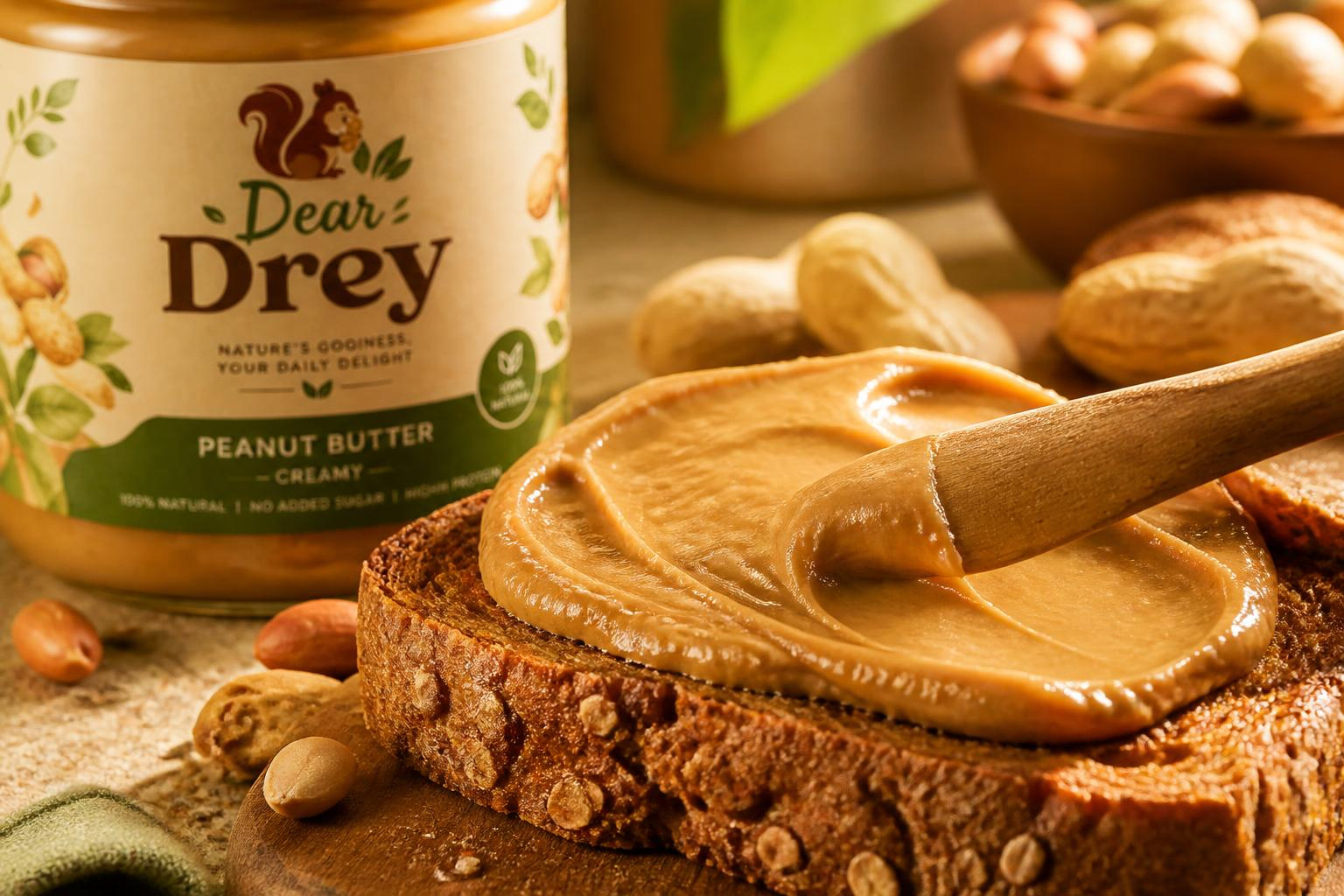
Peanut butter is a popular spread enjoyed with toast, sandwiches, smoothies, and many other foods. It is known for its rich flavour, creamy texture, and versatility. But is peanut butter healthy choice?
The answer depends on the ingredients, portion size, and how it fits into your overall diet. Let’s explore its nutritional value, potential benefits, and what to consider when choosing peanut butter.
1. What Makes Peanut Butter Nutritious?
Peanut butter contains several nutrients that the body needs, including protein, fats, and some vitamins and minerals.
Its nutritional content can vary depending on the brand and ingredients. Peanut butter made primarily from peanuts generally has a different nutritional profile from products containing added sugar, salt, or oils.
Reading the nutrition label is a helpful way to understand what you are buying.
2. A Source of Plant-Based Protein
Peanuts naturally contain protein, which helps the body build and maintain tissues.
Adding peanut butter to foods such as oatmeal, whole-grain toast, or smoothies can contribute protein to a meal or snack. However, peanut butter does not provide every essential nutrient in the proportions needed, so variety in your diet remains important.
3. Contains Unsaturated Fats
Peanut butter contains fats, including monounsaturated and polyunsaturated fats. These are commonly described as unsaturated fats.
Fat is an essential part of a balanced diet. It helps the body absorb certain vitamins and provides energy. Peanut butter also contains saturated fat, so checking the nutrition label can help you compare products.
4. Provides Energy
Peanut butter Healthy is energy-dense, meaning a relatively small amount provides a considerable amount of energy.
This can make it a convenient addition to meals and snacks, particularly when paired with foods such as whole-grain bread, fruit, or oats.
The amount that suits you depends on your individual needs and overall eating pattern.
5. Offers Variety in Everyday Meals
One practical benefit of peanut butter is how easily it can be included in different meals.
Here are a few ideas:
– Spread it on whole-grain toast.
– Stir it into oatmeal.
– Blend it into a banana smoothie.
– Pair it with apple slices.
– Use it in a homemade dressing or savoury sauce.
These combinations make it easy to enjoy is peanut butter Healthy in different ways instead of using it only as a sandwich spread.
6. What Should You Check Before Buying Peanut Butter healthy ?
Not all peanut butter products have the same ingredients or nutritional values. Before choosing one, consider the following:
Ingredients: Check whether the product contains peanuts alone or additional ingredients.
Added sugar: Compare labels if you want to limit added sugars.
Sodium: Check the sodium content, especially when comparing salted and unsalted varieties.
Texture: Smooth and crunchy peanut butter can both fit into a balanced diet. Choose the texture you enjoy.
Allergies: Peanuts are a common food allergen. Anyone with a peanut allergy should avoid peanut butter and follow appropriate medical advice.
7. How Can You Include Peanut Butter in a Balanced Diet?
Peanut butter can be enjoyed as part of a varied diet. Try combining it with different food groups rather than relying on it as your only source of nutrition.
For example, peanut butter on whole-grain toast with fruit can provide a combination of carbohydrates, fats, and protein. You can also add a spoonful to oatmeal or a smoothie.
Remember that peanut butter alone is not a complete meal. A varied diet that includes fruits, vegetables, grains, and other protein sources helps provide a wider range of nutrients.
Frequently Asked Questions
Is peanut butter a source of protein?
Yes. Peanuts naturally contain plant-based protein, and peanut butter healthy provides some protein per serving. Check the nutrition label for the exact amount.

Is peanut butter healthy to eat every day?
Peanut butter can fit into a balanced diet, depending on your individual nutritional needs, preferences, and overall eating pattern.
Is peanut butter Healthy better than regular peanut butter?
Natural peanut butter often has a shorter ingredient list, but products vary. Compare the ingredients and nutrition labels to decide which option best suits your preferences.
Can peanut butter healthy be eaten with fruit?
Yes. Peanut butter pairs well with fruits such as bananas and apples. You can enjoy them together as a snack or add them to breakfast.
Conclusion
Peanut butter can be a versatile addition to everyday meals because it provides protein, unsaturated fats, and energy. Its nutritional profile depends on the ingredients and the product you choose.
By checking labels, enjoying appropriate portions, and combining peanut butter with a variety of foods, you can find simple ways to include it in your eating routine.
At Dear Drey, we believe that understanding the food you enjoy helps you make more informed everyday choices.
Peanut butter is a popular spread enjoyed with toast, sandwiches, smoothies, and many other foods. It is known for its rich flavour, creamy texture, and versatility. But is peanut butter a healthy choice?
The answer depends on the ingredients, portion size, and how it fits into your overall diet. Let’s explore its nutritional value, potential benefits, and what to consider when choosing peanut butter.
1. What Makes Peanut Butter Nutritious?
Peanut butter contains several nutrients that the body needs, including protein, fats, and some vitamins and minerals.
Its nutritional content can vary depending on the brand and ingredients. Peanut butter made primarily from peanuts generally has a different nutritional profile from products containing added sugar, salt, or oils.
Reading the nutrition label is a helpful way to understand what you are buying.
2. A Source of Plant-Based Protein
Peanuts naturally contain protein, which helps the body build and maintain tissues.
Adding peanut butter healthy to foods such as oatmeal, whole-grain toast, or smoothies can contribute protein to a meal or snack. However, peanut butter does not provide every essential nutrient in the proportions needed, so variety in your diet remains important.
3. Contains Unsaturated Fats
Peanut butter contains fats, including monounsaturated and polyunsaturated fats. These are commonly described as unsaturated fats.
Fat is an essential part of a balanced diet. It helps the body absorb certain vitamins and provides energy. Peanut butter also contains saturated fat, so checking the nutrition label can help you compare products.
4. Provides Energy
Peanut butter is energy-dense, meaning a relatively small amount provides a considerable amount of energy.
This can make it a convenient addition to meals and snacks, particularly when paired with foods such as whole-grain bread, fruit, or oats.
The amount that suits you depends on your individual needs and overall eating pattern.
5. Offers Variety in Everyday Meals
One practical benefit of peanut butter is how easily it can be included in different meals.
Here are a few ideas:
– Spread it on whole-grain toast.
– Stir it into oatmeal.
– Blend it into a banana smoothie.
– Pair it with apple slices.
– Use it in a homemade dressing or savoury sauce.
These combinations make it easy to enjoy peanut butter in different ways instead of using it only as a sandwich spread.
6. What Should You Check Before Buying Peanut Butter?
Not all peanut butter products have the same ingredients or nutritional values. Before choosing one, consider the following:
Ingredients: Check whether the product contains peanuts alone or additional ingredients.
Added sugar: Compare labels if you want to limit added sugars.
Sodium: Check the sodium content, especially when comparing salted and unsalted varieties.
Texture: Smooth and crunchy peanut butter can both fit into a balanced diet. Choose the texture you enjoy.
Allergies: Peanuts are a common food allergen. Anyone with a peanut allergy should avoid peanut butter healthy and follow appropriate medical advice.
7. How Can You Include Peanut Butter in a Balanced Diet?
Peanut butter can be enjoyed as part of a varied diet. Try combining it with different food groups rather than relying on it as your only source of nutrition.
For example, peanut butter on whole-grain toast with fruit can provide a combination of carbohydrates, fats, and protein. You can also add a spoonful to oatmeal or a smoothie.
Remember that peanut butter alone is not a complete meal. A varied diet that includes fruits, vegetables, grains, and other protein sources helps provide a wider range of nutrients.
Frequently Asked Questions
Is peanut butter a source of protein?
Yes. Peanuts naturally contain plant-based protein, and peanut butter provides some protein per serving. Check the nutrition label for the exact amount.
Is peanut butter healthy to eat every day?
Peanut butter can fit into a balanced diet, depending on your individual nutritional needs, preferences, and overall eating pattern.
Is peanut butter healthy than regular peanut butter?
Natural peanut butter often has a shorter ingredient list, but products vary. Compare the ingredients and nutrition labels to decide which option best suits your preferences.
Can peanut butter be eaten with fruit?
Yes. Is Peanut butter healthy pairs well with fruits such as bananas and apples. You can enjoy them together as a snack or add them to breakfast.
Conclusion
Peanut butter can be a versatile addition to everyday meals because it provides protein, unsaturated fats, and energy. Its nutritional profile depends on the ingredients and the product you choose.
By checking labels, enjoying appropriate portions, and combining peanut butter with a variety of foods, you can find simple ways to include it in your eating routine.
At Dear Drey, we believe that understanding the food you enjoy helps you make more informed everyday choices.

[…] Does crunchy peanut butter contain more […]