What Makes a Good Peanut butter is a versatile food that can be enjoyed with toast, sandwiches, oatmeal, smoothies, and many other meals. However, with so many products available, choosing the right peanut butter can sometimes be confusing.
Some products contain only peanuts, while others include added sugar, salt, oils, or other ingredients. So, how can you identify a good peanut butter?
In this guide, we will explore the ingredients, nutrition labels, texture, and other factors to consider when choosing good peanut butter.
1. Check the Ingredients List
One of the first things to check when buying peanut butter is the ingredients list.
Some peanut butters are made using only peanuts, while others contain additional ingredients to change their taste, texture, or consistency.
What Makes a Good Peanut Butter
Common ingredients may include:
– Peanuts: The main ingredient in peanut butter.
– Salt: Added to enhance flavour.
– Sugar or sweeteners: Used to create a sweeter taste.
– Added oils: May be used in some formulations to influence texture and consistency.
If you prefer a simple product, look for good peanut butter with a short ingredients list. However, the right choice depends on your taste, dietary preferences, and needs.
2. Understand Natural Peanut Butter
Natural peanut butter is often made primarily from peanuts, sometimes with salt or other ingredients depending on the product.
One common feature of some natural peanut butters is oil separation. You may notice a layer of oil on top of the peanut butter after opening the jar.
This can happen because peanuts naturally contain oil. When the product is left undisturbed, the oil may separate from the solid peanut particles.
Before buying, read the label to understand the actual ingredients rather than relying on the word “natural” alone.
3. Check the Nutrition Label
The nutrition label helps you understand what you are getting from a product.
Here are some important details to compare.
Protein
Peanuts naturally provide protein. Compare the protein content per serving across products using the same serving size.
Added Sugar
what Make a good peanut butters contain added sugar or sweeteners. If you want to limit added sugar, compare the labels and choose accordingly.
Sodium
Salt contributes to the sodium content of a product. Checking sodium levels can help you make an informed choice, especially if you have been advised to limit sodium.
Total Fat
Peanuts naturally contain fat, including unsaturated fats. The total fat content and overall nutritional profile can vary between products.
Tip: Do not judge a peanut butter by one number alone. Consider the complete ingredients list and nutrition information.
4. Choose Between Smooth and Crunchy Texture
Make a good Peanut butter is commonly available in two varieties: smooth and crunchy.
Smooth peanut butter has a creamy, uniform consistency. It is suitable for spreading on bread, mixing into smoothies, and adding to sauces.
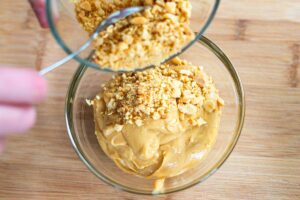
Crunchy peanut butter contains small peanut pieces that provide extra texture. It works well in sandwiches, on toast, and in selected recipes.
Neither texture is automatically better. Choose the one you enjoy and the one that works best for your favourite foods.
5. Look at the Packaging and Storage Instructions
Packaging also matters when choosing ;What makes a good peanut butter.
Before purchasing, check:
– Whether the container is properly sealed.
– Whether the packaging is damaged.
– The best-before date.
– The manufacturer’s storage instructions.
– The recommended storage conditions after opening.
Always follow the instructions on the label to maintain the product’s quality and freshness.
6. Consider Your Budget and Everyday Needs
Makes A good peanut butter does not necessarily have to be the most expensive one.
Compare the price, net quantity, ingredients, and nutrition information of different products.
For example, if you regularly use peanut butter in breakfast meals, you may prefer a product that suits your everyday routine and budget.
The best option is one that meets your preferences and offers the ingredients and characteristics you are looking for.
7. Common Mistakes to Avoid When Buying Peanut Butter
Avoid these common mistakes when comparing products:
– Choosing a product based only on its packaging.
– Assuming every product labelled “natural” has identical ingredients.
– Ignoring added sugar or sodium.
– Comparing nutrition values using different serving sizes.
– Assuming expensive products are always better.
– Forgetting to check storage instructions and expiry information.
Reading the label carefully can help you make a more informed decision.
Frequently Asked Questions
1. What ingredients should good peanut butter contain?
Peanuts are the primary ingredient. Some products also contain salt, sugar, oils, or other ingredients. Check the ingredients list to determine what a particular product contains.
2. Is peanut butter without added sugar a good option?
It can be a suitable option if you prefer to avoid added sugar. However, consider the complete nutritional profile and your dietary needs when choosing a product.
3. Is natural peanut butter always better?
Not necessarily. The term “natural” alone does not tell you everything about a product. Read the ingredients list and nutrition label to make an informed comparison.
4. Why does oil appear on top of peanut butter?
make a good peanut butters experience natural oil separation because peanuts contain oil. Follow the product’s instructions for mixing and storage.
5. How should I choose between different peanut butter brands?
Compare ingredients, nutrition information, taste, texture, packaging, price, and storage instructions rather than relying on brand name alone.
Conclusion
What makes a good peanut butter starts with understanding its ingredients and nutritional information. By checking the ingredients list, comparing nutrition labels, selecting your preferred texture, and reviewing storage instructions, you can make a choice that suits your needs.
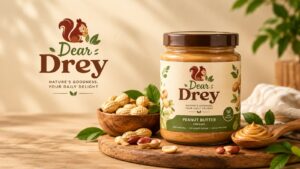
At Dear Drey, we believe that understanding everyday food choices should be simple. Our aim is to help readers explore makes a good peanut butter through practical guides and useful information.
The next time you shop for peanut butter, take a moment to read the label and choose a product that matches your preferences.
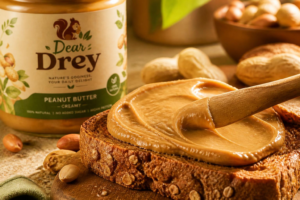
[…] natural peanut butter products recommend refrigeration after opening to help maintain quality. Refrigeration can also […]